
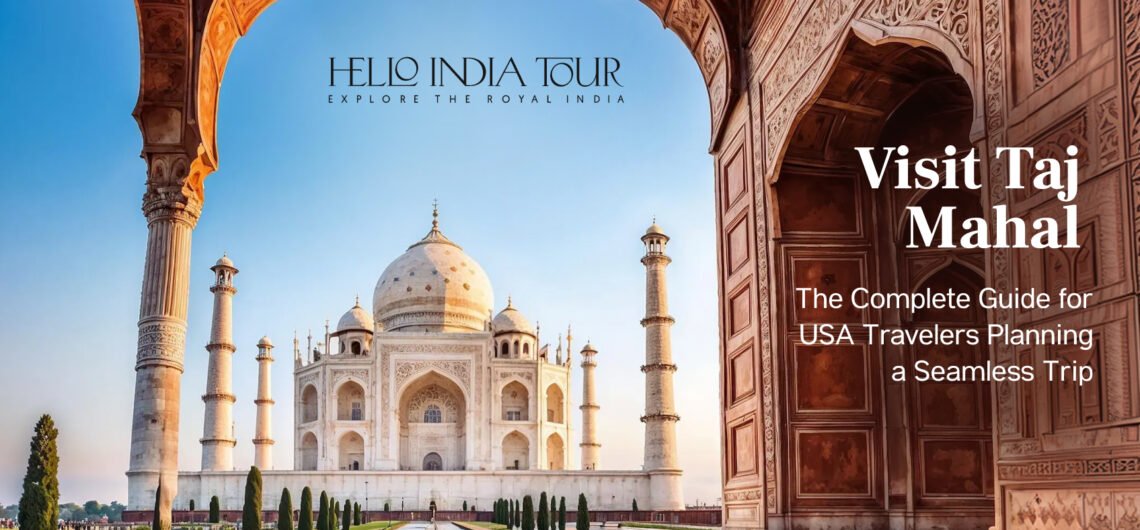
To Visit taj mahal is to witness one of the most breathtaking architectural masterpieces ever created. For many travelers from the United States, seeing this iconic monument in India is a lifelong dream. However, planning the journey from flights and visas to transportation, tickets, and timing can feel overwhelming. With the right preparation and expert guidance, your visit becomes smooth, meaningful, and unforgettable.
This comprehensive guide covers everything you need to know before you visit the Taj Mahal, ensuring your experience is both seamless and enriching.
Why You Should Visit Taj Mahal at Least Once in Your Lifetime
The Taj Mahal is not just a landmark—it is a UNESCO World Heritage Site and one of the New Seven Wonders of the World. Built in the 17th century by Mughal Emperor Shah Jahan in memory of his beloved wife Mumtaz Mahal, it symbolizes eternal love and architectural brilliance.
What makes it extraordinary?
- Symmetrical Mughal architecture
- Intricate marble inlay work (Pietra Dura)
- Stunning garden layout (Charbagh design)
- Optical illusions crafted into the structure
- A serene riverside setting along the Yamuna River
When you visit Taj Mahal, you’re not just viewing a monument—you’re stepping into centuries of history and artistry.
Best Time to Visit Taj Mahal
Timing significantly impacts your experience.
Sunrise (Highly Recommended)
Sunrise is widely considered the best time to visit Taj Mahal because:
- Fewer crowds
- Cooler temperatures
- Soft golden lighting for photography
- Peaceful atmosphere
The white marble shifts in color as the sun rises, creating an unforgettable visual experience.
Seasonal Considerations
October to March (Peak Season):
- Pleasant weather
- Ideal for sightseeing
- Higher visitor numbers
April to June:
- Hot temperatures
- Fewer tourists
July to September (Monsoon):
- Lush surroundings
- Occasional rain
- Reduced crowds
For travelers coming from the USA, winter months provide the most comfortable conditions.
How to Reach the Taj Mahal from Delhi
Most international travelers land in Delhi and travel to Agra.
By Private Car
- 3–4 hours via Yamuna Expressway
- Comfortable and flexible
- Ideal for same-day return trips
By Train
- 1.5–2 hours via Gatimaan Express
- Fast and efficient
- Requires advance booking
By Air
Agra has limited flight connectivity, so most visitors prefer road or rail.
Professional tour services coordinate transportation, ensuring timely arrival and minimal stress.
Entry Tickets and Important Rules
Before you visit Taj Mahal, it’s important to understand entry procedures.
Tickets
- Available online or at the ticket counter
- Different pricing for international visitors
- Separate ticket required to enter the main mausoleum
Closed on Fridays
The Taj Mahal remains closed every Friday for prayers.
Prohibited Items
- Large backpacks
- Tripods
- Drones
- Food items
Security checks are mandatory. Travel light for faster entry.
What to Expect Inside the Taj Mahal Complex
The Taj Mahal complex includes more than the central mausoleum.
Main Mausoleum
The white marble structure houses the cenotaphs of Shah Jahan and Mumtaz Mahal. The real tombs lie in a lower chamber not open to the public.
Reflecting Pool
The long water channel provides iconic symmetrical views—ideal for photography.
Mosque and Guest House
The red sandstone mosque on one side maintains architectural balance and is still used for prayer.
Grand Entrance Gate
The massive gateway frames your first view of the Taj, creating a dramatic reveal.
Photography Tips for First-Time Visitors
If capturing stunning images matters to you, keep these tips in mind:
- Arrive early for softer lighting
- Use wide-angle shots for symmetry
- Capture reflections in the central pool
- Avoid harsh midday sun
The “Diana Bench” is a popular photo spot, but exploring different angles often produces more unique results.
Cultural Etiquette and Dress Code
When you visit Taj Mahal, respectful attire is recommended.
- Wear modest clothing
- Comfortable walking shoes
- Sunglasses and sunscreen
- Bring a scarf or shawl if desired
Though there’s no strict dress code, dressing respectfully enhances your overall experience.
Combining Your Visit with Nearby Attractions
Many USA travelers extend their Taj Mahal visit by exploring nearby landmarks.
Agra Fort
A UNESCO World Heritage Site offering panoramic views of the Taj Mahal from across the river.
Mehtab Bagh
A riverside garden providing sunset views of the Taj.
Fatehpur Sikri
An abandoned Mughal capital located about an hour from Agra.
These additions create a well-rounded historical itinerary.
Why Professional Planning Makes a Difference
Independent travel can work—but coordination matters.
Organized travel services provide:
- Skip-the-line tickets
- Licensed English-speaking guides
- Private transfers
- Flexible itineraries
- Real-time support
For travelers flying long distances from the United States, convenience and reliability are crucial.
Common Mistakes to Avoid
Even seasoned travelers can make errors when planning to visit Taj Mahal.
Avoid:
- Visiting during peak midday heat
- Ignoring Friday closure
- Hiring unlicensed guides
- Underestimating travel time
- Not booking tickets in advance during high season
Careful planning ensures your experience remains smooth and memorable.
Conclusion: Plan Smart Before You Visit Taj Mahal
To Visit taj mahal is to witness a timeless symbol of love, artistry, and cultural heritage. But the quality of your experience depends largely on thoughtful planning—choosing the right timing, transportation, and guidance.
For travelers from the United States seeking a smooth, well-organized journey, working with experienced professionals ensures every detail is handled with care. Hello India Tour provides structured travel services designed to make your visit comfortable, insightful, and unforgettable. When properly planned, your decision to visit Taj Mahal becomes more than a sightseeing stop—it becomes a powerful cultural experience that stays with you for a lifetime.

Comments