<!-- wp:paragraph -->
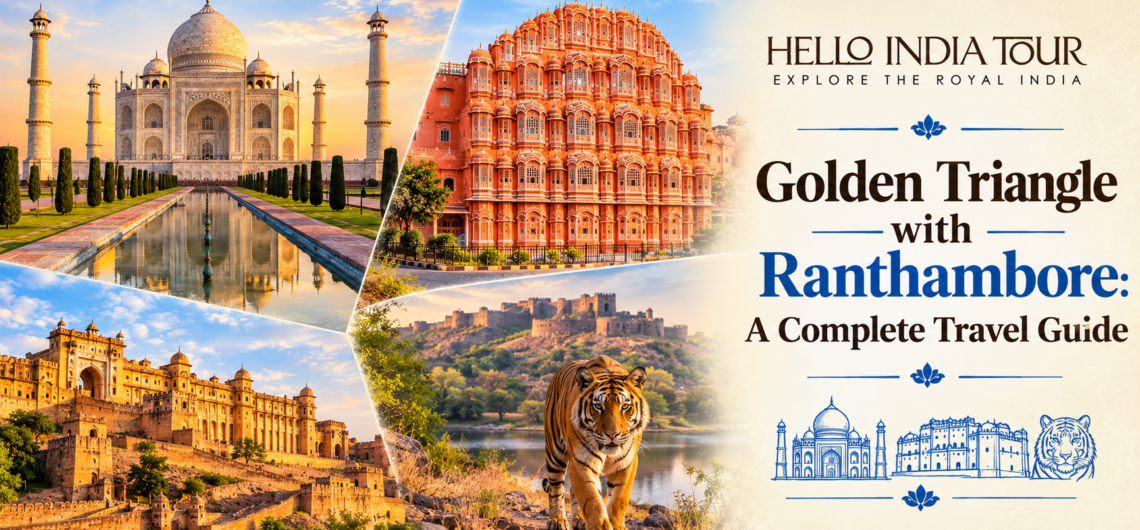
<p>Most people try to "do Jaipur" in a rushed half-day squeezed between Delhi and Agra. They tick off Hawa Mahal from the car window, grab a photo, and move on. That's a shame. Jaipur isn't a photo stop — it's a 300-year-old planned city with a hilltop fort, the world's largest stone sundial, and a royal palace where the family still lives. It rewards a proper, well-sequenced full day.</p>
<!-- /wp:paragraph -->
<!-- wp:paragraph -->
<p>Here's exactly what a full-day Jaipur Pink City tour covers, the order that actually makes sense, and the things most guides won't tell you before you go.</p>
<!-- /wp:paragraph -->
<!-- wp:heading -->
<h2 class="wp-block-heading"><strong>Quick Facts</strong></h2>
<!-- /wp:heading -->
<!-- wp:list -->
<ul class="wp-block-list"><!-- wp:list-item -->
<li><strong>Duration:</strong> Full day — around 8 hours of sightseeing</li>
<!-- /wp:list-item -->
<!-- wp:list-item -->
<li><strong>Starts:</strong> 7:00 AM, hotel or airport pickup anywhere in Jaipur</li>
<!-- /wp:list-item -->
<!-- wp:list-item -->
<li><strong>Monuments covered:</strong> Amber Fort, Jal Mahal, City Palace, Jantar Mantar, Hawa Mahal, Birla Temple</li>
<!-- /wp:list-item -->
<!-- wp:list-item -->
<li><strong>UNESCO World Heritage Sites on the route:</strong> Amber Fort (Hill Forts of Rajasthan) and Jantar Mantar</li>
<!-- /wp:list-item -->
<!-- wp:list-item -->
<li><strong>Best season:</strong> October to May</li>
<!-- /wp:list-item -->
<!-- wp:list-item -->
<li><strong>Guide:</strong> Licensed, multilingual</li>
<!-- /wp:list-item -->
<!-- wp:list-item -->
<li><strong>Usually included:</strong> Pre-booked monument tickets, multi-cuisine lunch, air-conditioned transport, mineral water, hotel drop-off</li>
<!-- /wp:list-item -->
<!-- wp:list-item -->
<li><strong>Why it's the "Pink City":</strong> The old city was painted pink in 1876 to welcome the Prince of Wales — pink being the colour of hospitality</li>
<!-- /wp:list-item --></ul>
<!-- /wp:list -->
<!-- wp:heading -->
<h2 class="wp-block-heading"><strong>The Pink City in Two Minutes</strong></h2>
<!-- /wp:heading -->
<!-- wp:paragraph -->
<p>Jaipur was founded in 1727 by Maharaja Sawai Jai Singh II, who moved his capital down from the cramped hills of Amber to the plains. Unlike almost every other Indian city of its age, Jaipur was <strong>planned</strong> — laid out on a strict grid of nine rectangular sectors by his chief architect, Vidyadhar Bhattacharya, following principles from ancient Indian architectural texts. It's one of the first planned cities in India, and that order is still visible when you walk the old bazaars today.</p>
<!-- /wp:paragraph -->
<!-- wp:paragraph -->
<p>The famous pink came much later. In 1876, Maharaja Ram Singh had the entire old city painted a warm terracotta pink to welcome Albert Edward, the Prince of Wales. The colour stuck, a law was later passed to keep the old town pink, and the nickname became the city's identity. Stand in the old city at golden hour and you'll understand why it works.</p>
<!-- /wp:paragraph -->
<!-- wp:heading -->
<h2 class="wp-block-heading"><strong>What You'll See (And What's Worth Slowing Down For)</strong></h2>
<!-- /wp:heading -->
<!-- wp:paragraph -->
<p>The tour hits six landmarks. Here's what each one actually is — and the bit most tourists miss.</p>
<!-- /wp:paragraph -->
<!-- wp:paragraph -->
<p><strong>Amber Fort (Amer Fort)</strong> — The showstopper, and rightly the first stop. Built from 1592 by Raja Man Singh I in honey-coloured sandstone and marble, it rises over Maota Lake on a ridge outside the city. Inside, don't rush past the <strong>Sheesh Mahal</strong> (Mirror Palace) — a hall inlaid with thousands of tiny mirrors that light up from a single flame. The classic experience is riding an elephant up to the main gate. If elephant rides aren't your thing, open jeeps run the same route — either way, get there early, before the heat and the crowds.</p>
<!-- /wp:paragraph -->
<!-- wp:paragraph -->
<p><strong>Jal Mahal</strong> — The "Water Palace," sitting serenely in the middle of Man Sagar Lake. Four of its five storeys are underwater. You can't go inside, so this is a photo-and-breathe stop — but on a still morning, with the Aravalli hills behind it, it's one of the most photogenic spots in Jaipur.</p>
<!-- /wp:paragraph -->
<!-- wp:paragraph -->
<p><strong>City Palace</strong> — A sprawling complex of courtyards, gardens and museums blending Rajput and Mughal styles, built by Jai Singh II when he founded the city. Part of it, Chandra Mahal, is still the royal family's residence. Look for the four ornate seasonal doorways (Peacock Gate is the famous one) and the two giant silver urns in Diwan-i-Khas — recognised as the largest sterling silver vessels in the world.</p>
<!-- /wp:paragraph -->
<!-- wp:paragraph -->
<p><strong>Jantar Mantar</strong> — Don't let the name fool you; this is genuinely fascinating. It's an 18th-century open-air astronomical observatory of nineteen giant stone instruments, and a UNESCO World Heritage Site. The <strong>Vrihat Samrat Yantra</strong> here is the world's largest stone sundial — about 27 metres tall — and it still tells local time accurate to roughly two seconds. A guide makes all the difference at this stop; without one, it looks like abstract sculpture.</p>
<!-- /wp:paragraph -->
<!-- wp:paragraph -->
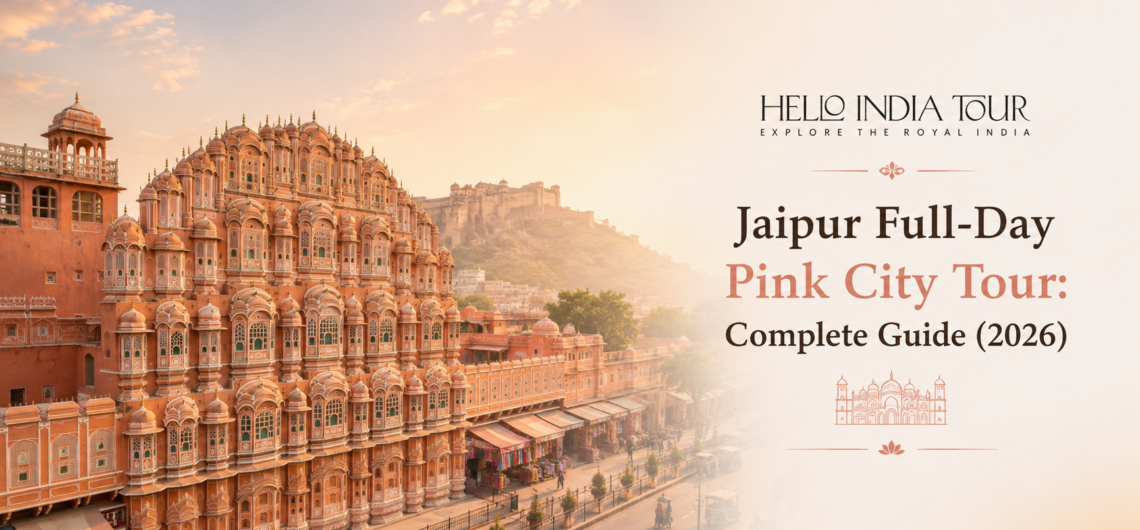
<p><strong>Hawa Mahal</strong> — The five-storey "Palace of Winds," with its honeycomb façade of 953 small windows (jharokhas). Built in 1799 so the royal women could watch street processions and daily life without being seen, its lattice design also funnels breeze through the building. It faces east, so the light is best in the <strong>morning</strong> — which is exactly when a well-run tour brings you here.</p>
<!-- /wp:paragraph -->
<!-- wp:paragraph -->
<p><strong>Birla Temple (Lakshmi Narayan Temple)</strong> — A modern temple in gleaming white marble at the foot of Moti Dungri hill, built by the Birla family and dedicated to Vishnu (Narayan) and Lakshmi. It's calm, beautifully carved, and a gentle, cooler note to end the day on — especially lovely as it lights up towards dusk.</p>
<!-- /wp:paragraph -->
<!-- wp:heading -->
<h2 class="wp-block-heading"><strong>The Ideal Full-Day Route (And Why the Order Matters)</strong></h2>
<!-- /wp:heading -->
<!-- wp:paragraph -->
<p>The sequence isn't random — a good full-day tour is built around light, heat and opening hours.</p>
<!-- /wp:paragraph -->
<!-- wp:list -->
<ul class="wp-block-list"><!-- wp:list-item -->
<li><strong>7:00 AM — Pickup.</strong> An early start is the single biggest upgrade to a Jaipur day.</li>
<!-- /wp:list-item -->
<!-- wp:list-item -->
<li></li>
<!-- /wp:list-item -->
<!-- wp:list-item -->
<li><strong>Amber Fort first.</strong> Cooler morning air, shorter queues, and elephant rides only run in the morning. This is the </li>
<!-- /wp:list-item -->
<!-- wp:list-item -->
<li>most walking-heavy stop, so do it while you're fresh.</li>
<!-- /wp:list-item -->
<!-- wp:list-item -->
<li></li>
<!-- /wp:list-item -->
<!-- wp:list-item -->
<li><strong>Jal Mahal on the way back</strong> into the city — a quick, scenic photo stop.</li>
<!-- /wp:list-item -->
<!-- wp:list-item -->
<li></li>
<!-- /wp:list-item -->
<!-- wp:list-item -->
<li><strong>City Palace and Jantar Mantar</strong> through late morning — they sit right next to each other in the old city.</li>
<!-- /wp:list-item -->
<!-- wp:list-item -->
<li></li>
<!-- /wp:list-item -->
<!-- wp:list-item -->
<li><strong>Multi-cuisine lunch</strong> to reset before the afternoon.</li>
<!-- /wp:list-item -->
<!-- wp:list-item -->
<li></li>
<!-- /wp:list-item -->
<!-- wp:list-item -->
<li><strong>Hawa Mahal</strong> — captured in flattering morning-to-midday light from across the street.</li>
<!-- /wp:list-item -->
<!-- wp:list-item -->
<li></li>
<!-- /wp:list-item -->
<!-- wp:list-item -->
<li><strong>Birla Temple</strong> to close, when the heat has eased and the marble glows.</li>
<!-- /wp:list-item -->
<!-- wp:list-item -->
<li></li>
<!-- /wp:list-item -->
<!-- wp:list-item -->
<li><strong>Drop-off</strong> back at your hotel.</li>
<!-- /wp:list-item --></ul>
<!-- /wp:list -->
<!-- wp:paragraph -->
<p>Trying to reverse this — Amber Fort in the afternoon heat, Hawa Mahal in flat light — is how people end up tired, sunburnt and with mediocre photos.</p>
<!-- /wp:paragraph -->
<!-- wp:heading -->
<h2 class="wp-block-heading"><strong>Best Time to Visit Jaipur</strong></h2>
<!-- /wp:heading -->
<!-- wp:paragraph -->
<p>The comfortable season runs <strong>October to May</strong>, with the sweet spot being November to February when days are warm and evenings cool. March and April get hot but are still manageable with an early start. Peak summer (May–June) is genuinely tough for a full day of outdoor sightseeing, and the July–September monsoon brings the Aravallis and Amber's lake to life but the occasional shower.</p>
<!-- /wp:paragraph -->
<!-- wp:paragraph -->
<p>Within any given day, the rule is simple: <strong>morning is your friend.</strong> Start early, finish the outdoor forts before midday, and save shaded or indoor stops for the afternoon.</p>
<!-- /wp:paragraph -->
<!-- wp:heading -->
<h2 class="wp-block-heading"><strong>What's Included and How the Tour Works</strong></h2>
<!-- /wp:heading -->
<!-- wp:paragraph -->
<p>The point of booking a <a href="https://helloindiatour.com/tours/from-jaipur-full-day-jaipur-heritage-and-pink-city-tour/">full-day Jaipur Heritage & Pink City tour</a> rather than winging it is that the logistics disappear. A typical package includes:</p>
<!-- /wp:paragraph -->
<!-- wp:list -->
<ul class="wp-block-list"><!-- wp:list-item -->
<li><strong>Door-to-door pickup and drop-off</strong> anywhere in Jaipur — hotel or airport.</li>
<!-- /wp:list-item -->
<!-- wp:list-item -->
<li></li>
<!-- /wp:list-item -->
<!-- wp:list-item -->
<li><strong>Pre-booked monument tickets</strong>, so you skip the ticket queues at each site.</li>
<!-- /wp:list-item -->
<!-- wp:list-item -->
<li></li>
<!-- /wp:list-item -->
<!-- wp:list-item -->
<li><strong>A licensed, multilingual guide</strong> — the difference between "nice old buildings" and understanding what you're </li>
<!-- /wp:list-item -->
<!-- wp:list-item -->
<li>looking at, especially at Jantar Mantar and City Palace.</li>
<!-- /wp:list-item -->
<!-- wp:list-item -->
<li></li>
<!-- /wp:list-item -->
<!-- wp:list-item -->
<li><strong>A multi-cuisine lunch</strong> at a local restaurant.</li>
<!-- /wp:list-item -->
<!-- wp:list-item -->
<li></li>
<!-- /wp:list-item -->
<!-- wp:list-item -->
<li><strong>Air-conditioned private transport</strong> and mineral water through the day.</li>
<!-- /wp:list-item -->
<!-- wp:list-item -->
<li></li>
<!-- /wp:list-item -->
<!-- wp:list-item -->
<li><strong>A quick wander through the colourful old bazaars</strong> — Johari and Bapu Bazaar are the ones for textiles, jewellery and juttis.</li>
<!-- /wp:list-item --></ul>
<!-- /wp:list -->
<!-- wp:paragraph -->
<p>On booking: you can usually pick <strong>3-star or 5-star</strong> hotel options if you need accommodation, pay by card, bank transfer, PayPal or cash on arrival, and cancel free of charge up to 24 hours before the tour.</p>
<!-- /wp:paragraph -->
<!-- wp:heading -->
<h2 class="wp-block-heading"><strong>Insider & Photography Tips</strong></h2>
<!-- /wp:heading -->
<!-- wp:list -->
<ul class="wp-block-list"><!-- wp:list-item -->
<li><strong>The postcard shot of Hawa Mahal</strong> isn't from the palace itself — it's from the rooftop cafés directly across the road. Order a chai, head up, and shoot the façade in the morning sun.</li>
<!-- /wp:list-item -->
<!-- wp:list-item -->
<li></li>
<!-- /wp:list-item -->
<!-- wp:list-item -->
<li><strong>At Amber Fort, the Sheesh Mahal</strong> needs a wide lens; phone cameras only catch a fraction of the mirror-work. Ask your guide to point out where a single flame lights the whole ceiling.</li>
<!-- /wp:list-item -->
<!-- wp:list-item -->
<li></li>
<!-- /wp:list-item -->
<!-- wp:list-item -->
<li><strong>Jal Mahal is a wind gamble</strong> — go on a still morning for a clean lake reflection.</li>
<!-- /wp:list-item -->
<!-- wp:list-item -->
<li></li>
<!-- /wp:list-item -->
<!-- wp:list-item -->
<li><strong>Carry small cash</strong> for the bazaars, tips and the odd entry extra; not everything takes cards.</li>
<!-- /wp:list-item -->
<!-- wp:list-item -->
<li></li>
<!-- /wp:list-item -->
<!-- wp:list-item -->
<li><strong>Dress for temples</strong> — shoulders and knees covered for Birla Temple, and easy-to-remove shoes.</li>
<!-- /wp:list-item -->
<!-- wp:list-item -->
<li></li>
<!-- /wp:list-item -->
<!-- wp:list-item -->
<li><strong>Wear proper walking shoes.</strong> Amber Fort has ramps, steps and long stone walkways — flip-flops will punish you.</li>
<!-- /wp:list-item --></ul>
<!-- /wp:list -->
<!-- wp:heading -->
<h2 class="wp-block-heading"><strong>Common Mistakes Travellers Make in Jaipur</strong></h2>
<!-- /wp:heading -->
<!-- wp:list -->
<ul class="wp-block-list"><!-- wp:list-item -->
<li><strong>Starting late.</strong> A 10 AM start means Amber Fort in the heat, long queues and rushed afternoons. The 7 AM pickup exists for a reason.</li>
<!-- /wp:list-item -->
<!-- wp:list-item -->
<li></li>
<!-- /wp:list-item -->
<!-- wp:list-item -->
<li><strong>Skipping the guide at Jantar Mantar.</strong> Without context, the world's most important stone observatory looks like a sculpture park. This is the stop where a guide earns their keep.</li>
<!-- /wp:list-item -->
<!-- wp:list-item -->
<li></li>
<!-- /wp:list-item -->
<!-- wp:list-item -->
<li><strong>Treating Hawa Mahal as the whole of Jaipur.</strong> It's the icon, but it's a five-minute façade — the depth is at Amber, City Palace and Jantar Mantar.</li>
<!-- /wp:list-item -->
<!-- wp:list-item -->
<li></li>
<!-- /wp:list-item -->
<!-- wp:list-item -->
<li><strong>Over-packing the day.</strong> Six landmarks in eight hours is already full. Adding Nahargarh or Albert Hall on the same day means rushing everything. Save extras for a second day.</li>
<!-- /wp:list-item -->
<!-- wp:list-item -->
<li></li>
<!-- /wp:list-item -->
<!-- wp:list-item -->
<li><strong>Not negotiating in the bazaars.</strong> Bargaining is expected and part of the fun — start around half the quoted price.</li>
<!-- /wp:list-item -->
<!-- wp:list-item -->
<li></li>
<!-- /wp:list-item --></ul>
<!-- /wp:list -->
<!-- wp:heading -->
<h2 class="wp-block-heading"><strong>Frequently Asked Questions</strong></h2>
<!-- /wp:heading -->
<!-- wp:paragraph -->
<p><strong>How long is the full-day Jaipur Pink City tour?</strong> Around 8 hours of sightseeing, starting with a 7:00 AM pickup and ending with a drop-off back at your hotel in Jaipur.</p>
<!-- /wp:paragraph -->
<!-- wp:paragraph -->
<p><strong>Which monuments are covered?</strong> Amber Fort, Jal Mahal (photo stop), City Palace, Jantar Mantar, Hawa Mahal and Birla Temple — plus a walk through the old bazaars and lunch.</p>
<!-- /wp:paragraph -->
<!-- wp:paragraph -->
<p><strong>Are entry tickets included?</strong> Yes. A standard package includes pre-booked monument tickets so you skip the ticket queues, along with a guide, transport, water and lunch.</p>
<!-- /wp:paragraph -->
<!-- wp:paragraph -->
<p><strong>Is the elephant ride at Amber Fort compulsory?</strong> No. The elephant ride is an optional experience. Open jeeps cover the same route up to the fort if you'd prefer, and you can also walk up.</p>
<!-- /wp:paragraph -->
<!-- wp:paragraph -->
<p><strong>Is one day enough for Jaipur?</strong> For the headline sights, yes — this itinerary covers them well. If you want to add Nahargarh Fort, Albert Hall Museum or Nahargarh's sunset views, plan a second half-day.</p>
<!-- /wp:paragraph -->
<!-- wp:paragraph -->
<p><strong>What's the best time of year to do this tour?</strong> October to May, with November to February the most comfortable. Start early on any day to beat the heat and the crowds.</p>
<!-- /wp:paragraph -->
<!-- wp:paragraph -->
<p><strong>Can I customize the pickup, hotel and payment?</strong> Yes. Pickup and drop-off can be arranged anywhere in Jaipur, 3-star or 5-star hotel options are available, and you can pay by card, bank transfer, PayPal or cash on arrival. Free cancellation applies up to 24 hours before.</p>
<!-- /wp:paragraph -->
<!-- wp:paragraph -->
<p><strong>Do I need a guide?</strong> Highly recommended. Jaipur's stories — the astronomy of Jantar Mantar, the design logic of the Pink City, the history of Amber — are what turn a sightseeing list into a proper experience. A licensed multilingual guide is included.</p>
<!-- /wp:paragraph -->
<!-- wp:heading -->
<h2 class="wp-block-heading"><strong>Bottom Line</strong></h2>
<!-- /wp:heading -->
<!-- wp:paragraph -->
<p>Jaipur is not a city to skim. Given a full, well-planned day — Amber Fort in the cool morning, the observatory and palace before lunch, Hawa Mahal in good light, and the calm of Birla Temple to finish — the Pink City is one of the most rewarding days in North India.</p>
<!-- /wp:paragraph -->
<!-- wp:paragraph -->
<p>If you'd rather have the tickets, guide, transport and timing handled for you, our <a href="https://helloindiatour.com/tours/from-jaipur-full-day-jaipur-heritage-and-pink-city-tour/">Full-Day Jaipur Heritage & Pink City Tour</a> covers all six landmarks with a licensed guide, comfortable transport and lunch — pickup at 7 AM, back at your hotel by evening. For a longer Rajasthan trip, explore our full range of <a href="https://helloindiatour.com/jaipur-tour-packages/">Jaipur tour packages</a>.</p>
<!-- /wp:paragraph -->
Most people try to “do Jaipur” in a rushed half-day squeezed between Delhi and Agra. They tick off Hawa Mahal from the car window, grab a photo, and move on. That’s a shame. Jaipur isn’t a photo stop — it’s a 300-year-old planned city with a hilltop fort, the world’s largest stone sundial, and a royal palace where the family still lives. It rewards a proper, well-sequenced full day.
Here’s exactly what a full-day Jaipur Pink City tour covers, the order that actually makes sense, and the things most guides won’t tell you before you go.
Quick Facts
- Duration: Full day — around 8 hours of sightseeing
- Starts: 7:00 AM, hotel or airport pickup anywhere in Jaipur
- Monuments covered: Amber Fort, Jal Mahal, City Palace, Jantar Mantar, Hawa Mahal, Birla Temple
- UNESCO World Heritage Sites on the route: Amber Fort (Hill Forts of Rajasthan) and Jantar Mantar
- Best season: October to May
- Guide: Licensed, multilingual
- Usually included: Pre-booked monument tickets, multi-cuisine lunch, air-conditioned transport, mineral water, hotel drop-off
- Why it’s the “Pink City”: The old city was painted pink in 1876 to welcome the Prince of Wales — pink being the colour of hospitality
The Pink City in Two Minutes
Jaipur was founded in 1727 by Maharaja Sawai Jai Singh II, who moved his capital down from the cramped hills of Amber to the plains. Unlike almost every other Indian city of its age, Jaipur was planned — laid out on a strict grid of nine rectangular sectors by his chief architect, Vidyadhar Bhattacharya, following principles from ancient Indian architectural texts. It’s one of the first planned cities in India, and that order is still visible when you walk the old bazaars today.
The famous pink came much later. In 1876, Maharaja Ram Singh had the entire old city painted a warm terracotta pink to welcome Albert Edward, the Prince of Wales. The colour stuck, a law was later passed to keep the old town pink, and the nickname became the city’s identity. Stand in the old city at golden hour and you’ll understand why it works.
What You’ll See (And What’s Worth Slowing Down For)
The tour hits six landmarks. Here’s what each one actually is — and the bit most tourists miss.
Amber Fort (Amer Fort) — The showstopper, and rightly the first stop. Built from 1592 by Raja Man Singh I in honey-coloured sandstone and marble, it rises over Maota Lake on a ridge outside the city. Inside, don’t rush past the Sheesh Mahal (Mirror Palace) — a hall inlaid with thousands of tiny mirrors that light up from a single flame. The classic experience is riding an elephant up to the main gate. If elephant rides aren’t your thing, open jeeps run the same route — either way, get there early, before the heat and the crowds.
Jal Mahal — The “Water Palace,” sitting serenely in the middle of Man Sagar Lake. Four of its five storeys are underwater. You can’t go inside, so this is a photo-and-breathe stop — but on a still morning, with the Aravalli hills behind it, it’s one of the most photogenic spots in Jaipur.
City Palace — A sprawling complex of courtyards, gardens and museums blending Rajput and Mughal styles, built by Jai Singh II when he founded the city. Part of it, Chandra Mahal, is still the royal family’s residence. Look for the four ornate seasonal doorways (Peacock Gate is the famous one) and the two giant silver urns in Diwan-i-Khas — recognised as the largest sterling silver vessels in the world.
Jantar Mantar — Don’t let the name fool you; this is genuinely fascinating. It’s an 18th-century open-air astronomical observatory of nineteen giant stone instruments, and a UNESCO World Heritage Site. The Vrihat Samrat Yantra here is the world’s largest stone sundial — about 27 metres tall — and it still tells local time accurate to roughly two seconds. A guide makes all the difference at this stop; without one, it looks like abstract sculpture.
Hawa Mahal — The five-storey “Palace of Winds,” with its honeycomb façade of 953 small windows (jharokhas). Built in 1799 so the royal women could watch street processions and daily life without being seen, its lattice design also funnels breeze through the building. It faces east, so the light is best in the morning — which is exactly when a well-run tour brings you here.
Birla Temple (Lakshmi Narayan Temple) — A modern temple in gleaming white marble at the foot of Moti Dungri hill, built by the Birla family and dedicated to Vishnu (Narayan) and Lakshmi. It’s calm, beautifully carved, and a gentle, cooler note to end the day on — especially lovely as it lights up towards dusk.
The Ideal Full-Day Route (And Why the Order Matters)
The sequence isn’t random — a good full-day tour is built around light, heat and opening hours.
- 7:00 AM — Pickup. An early start is the single biggest upgrade to a Jaipur day.
- Amber Fort first. Cooler morning air, shorter queues, and elephant rides only run in the morning. This is the
- most walking-heavy stop, so do it while you’re fresh.
- Jal Mahal on the way back into the city — a quick, scenic photo stop.
- City Palace and Jantar Mantar through late morning — they sit right next to each other in the old city.
- Multi-cuisine lunch to reset before the afternoon.
- Hawa Mahal — captured in flattering morning-to-midday light from across the street.
- Birla Temple to close, when the heat has eased and the marble glows.
- Drop-off back at your hotel.
Trying to reverse this — Amber Fort in the afternoon heat, Hawa Mahal in flat light — is how people end up tired, sunburnt and with mediocre photos.
Best Time to Visit Jaipur
The comfortable season runs October to May, with the sweet spot being November to February when days are warm and evenings cool. March and April get hot but are still manageable with an early start. Peak summer (May–June) is genuinely tough for a full day of outdoor sightseeing, and the July–September monsoon brings the Aravallis and Amber’s lake to life but the occasional shower.
Within any given day, the rule is simple: morning is your friend. Start early, finish the outdoor forts before midday, and save shaded or indoor stops for the afternoon.
What’s Included and How the Tour Works
The point of booking a full-day Jaipur Heritage & Pink City tour rather than winging it is that the logistics disappear. A typical package includes:
- Door-to-door pickup and drop-off anywhere in Jaipur — hotel or airport.
- Pre-booked monument tickets, so you skip the ticket queues at each site.
- A licensed, multilingual guide — the difference between “nice old buildings” and understanding what you’re
- looking at, especially at Jantar Mantar and City Palace.
- A multi-cuisine lunch at a local restaurant.
- Air-conditioned private transport and mineral water through the day.
- A quick wander through the colourful old bazaars — Johari and Bapu Bazaar are the ones for textiles, jewellery and juttis.
On booking: you can usually pick 3-star or 5-star hotel options if you need accommodation, pay by card, bank transfer, PayPal or cash on arrival, and cancel free of charge up to 24 hours before the tour.
Insider & Photography Tips
- The postcard shot of Hawa Mahal isn’t from the palace itself — it’s from the rooftop cafés directly across the road. Order a chai, head up, and shoot the façade in the morning sun.
- At Amber Fort, the Sheesh Mahal needs a wide lens; phone cameras only catch a fraction of the mirror-work. Ask your guide to point out where a single flame lights the whole ceiling.
- Jal Mahal is a wind gamble — go on a still morning for a clean lake reflection.
- Carry small cash for the bazaars, tips and the odd entry extra; not everything takes cards.
- Dress for temples — shoulders and knees covered for Birla Temple, and easy-to-remove shoes.
- Wear proper walking shoes. Amber Fort has ramps, steps and long stone walkways — flip-flops will punish you.
Common Mistakes Travellers Make in Jaipur
- Starting late. A 10 AM start means Amber Fort in the heat, long queues and rushed afternoons. The 7 AM pickup exists for a reason.
- Skipping the guide at Jantar Mantar. Without context, the world’s most important stone observatory looks like a sculpture park. This is the stop where a guide earns their keep.
- Treating Hawa Mahal as the whole of Jaipur. It’s the icon, but it’s a five-minute façade — the depth is at Amber, City Palace and Jantar Mantar.
- Over-packing the day. Six landmarks in eight hours is already full. Adding Nahargarh or Albert Hall on the same day means rushing everything. Save extras for a second day.
- Not negotiating in the bazaars. Bargaining is expected and part of the fun — start around half the quoted price.
Frequently Asked Questions
How long is the full-day Jaipur Pink City tour? Around 8 hours of sightseeing, starting with a 7:00 AM pickup and ending with a drop-off back at your hotel in Jaipur.
Which monuments are covered? Amber Fort, Jal Mahal (photo stop), City Palace, Jantar Mantar, Hawa Mahal and Birla Temple — plus a walk through the old bazaars and lunch.
Are entry tickets included? Yes. A standard package includes pre-booked monument tickets so you skip the ticket queues, along with a guide, transport, water and lunch.
Is the elephant ride at Amber Fort compulsory? No. The elephant ride is an optional experience. Open jeeps cover the same route up to the fort if you’d prefer, and you can also walk up.
Is one day enough for Jaipur? For the headline sights, yes — this itinerary covers them well. If you want to add Nahargarh Fort, Albert Hall Museum or Nahargarh’s sunset views, plan a second half-day.
What’s the best time of year to do this tour? October to May, with November to February the most comfortable. Start early on any day to beat the heat and the crowds.
Can I customize the pickup, hotel and payment? Yes. Pickup and drop-off can be arranged anywhere in Jaipur, 3-star or 5-star hotel options are available, and you can pay by card, bank transfer, PayPal or cash on arrival. Free cancellation applies up to 24 hours before.
Do I need a guide? Highly recommended. Jaipur’s stories — the astronomy of Jantar Mantar, the design logic of the Pink City, the history of Amber — are what turn a sightseeing list into a proper experience. A licensed multilingual guide is included.
Bottom Line
Jaipur is not a city to skim. Given a full, well-planned day — Amber Fort in the cool morning, the observatory and palace before lunch, Hawa Mahal in good light, and the calm of Birla Temple to finish — the Pink City is one of the most rewarding days in North India.
If you’d rather have the tickets, guide, transport and timing handled for you, our Full-Day Jaipur Heritage & Pink City Tour covers all six landmarks with a licensed guide, comfortable transport and lunch — pickup at 7 AM, back at your hotel by evening. For a longer Rajasthan trip, explore our full range of Jaipur tour packages.