<!-- wp:paragraph -->
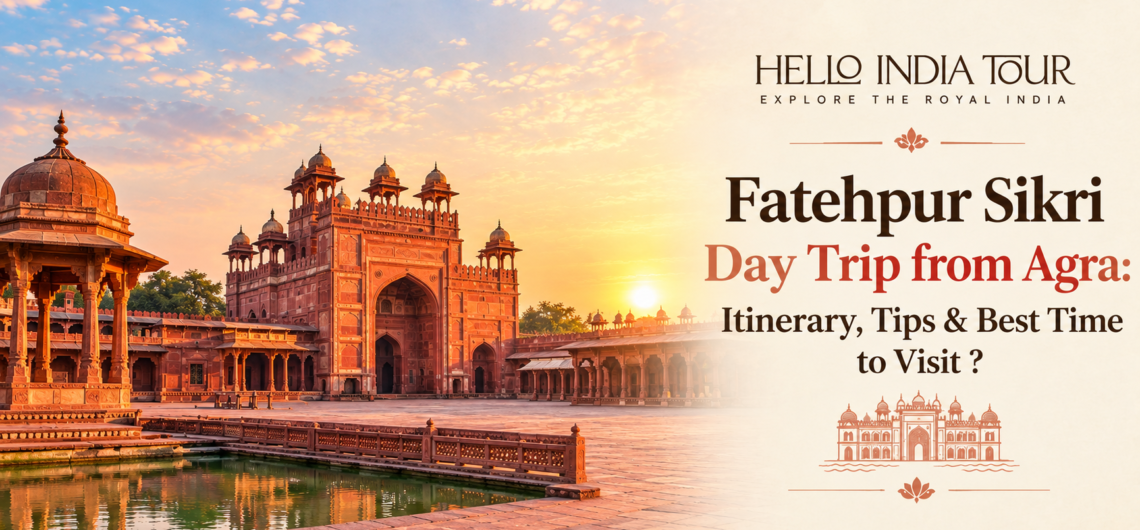
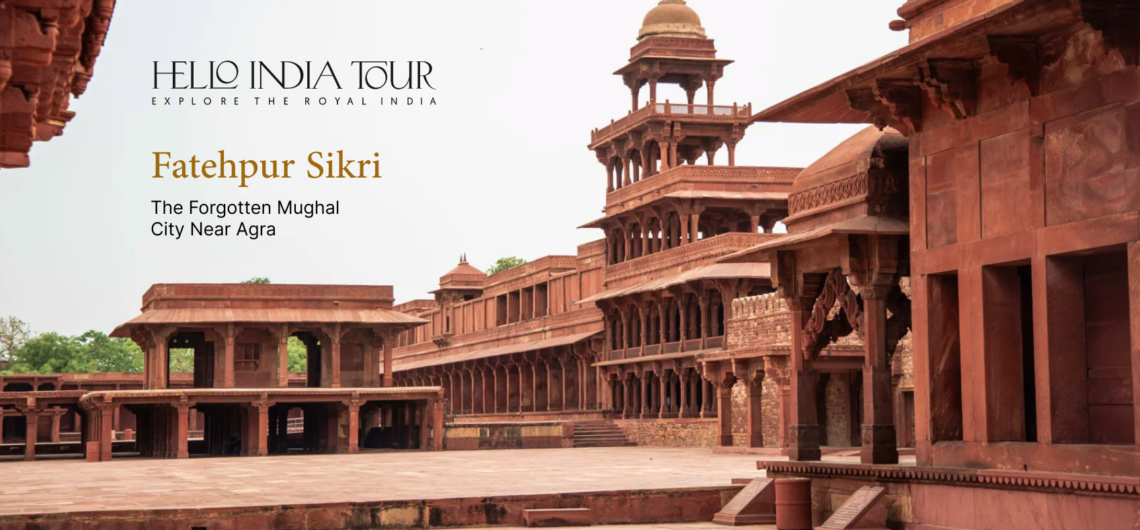
<p>Fatehpur Sikri is the strangest place you'll visit in northern India. A perfectly preserved 16th-century Mughal city, built at the peak of imperial ambition — and abandoned less than 15 years later. Nobody's quite sure why. Water shortage is the popular answer. Historians will give you three other theories. What's certain is that Akbar spent a fortune building a capital he barely used, and today it sits mostly empty on a ridge west of Agra, waiting for tourists who mostly pass through in 90 minutes and never come back.</p>
<!-- /wp:paragraph -->
<!-- wp:paragraph -->
<p>That's a shame. Fatehpur Sikri deserves better.</p>
<!-- /wp:paragraph -->
<!-- wp:heading {"anchor":"h-quick-facts"} -->
<h2 id="h-quick-facts" class="wp-block-heading"><strong>Quick Facts</strong></h2>
<!-- /wp:heading -->
<!-- wp:list -->
<ul class="wp-block-list"><!-- wp:list-item -->
<li><strong>Built:</strong> 1571-1585 by Emperor Akbar</li>
<!-- /wp:list-item -->
<!-- wp:list-item -->
<li><strong>Made of:</strong> Red sandstone throughout</li>
<!-- /wp:list-item -->
<!-- wp:list-item -->
<li><strong>Status:</strong> UNESCO World Heritage Site since 1986</li>
<!-- /wp:list-item -->
<!-- wp:list-item -->
<li><strong>Distance from Agra:</strong> 40 km (about 60 minutes by car)</li>
<!-- /wp:list-item -->
<!-- wp:list-item -->
<li><strong>Distance from Jaipur:</strong> 200 km (about 4 hours by car)</li>
<!-- /wp:list-item -->
<!-- wp:list-item -->
<li><strong>Open:</strong> Sunrise to sunset, all days of the week (including Friday)</li>
<!-- /wp:list-item -->
<!-- wp:list-item -->
<li><strong>Time needed:</strong> 2 to 3 hours for a proper visit</li>
<!-- /wp:list-item -->
<!-- wp:list-item -->
<li><strong>Two separate sections:</strong> Royal Palace Complex (ASI ticketed) and Jama Masjid + Salim Chishti Tomb (free entry, worship site)</li>
<!-- /wp:list-item --></ul>
<!-- /wp:list -->
<!-- wp:heading {"anchor":"h-the-story-of-a-city-that-failed"} -->
<h2 id="h-the-story-of-a-city-that-failed" class="wp-block-heading"><strong>The Story of a City That Failed</strong></h2>
<!-- /wp:heading -->
<!-- wp:paragraph -->
<p>Akbar had a son problem. By 1568, he was the most powerful ruler in India, but he had no male heir. His previous sons had died in infancy. Desperate, he travelled to Sikri village to visit Sheikh Salim Chishti, a Sufi saint who had a reputation for granting wishes.</p>
<!-- /wp:paragraph -->
<!-- wp:paragraph -->
<p>The saint blessed him. Nine months later, Akbar's son Salim was born (later Emperor Jahangir). Grateful, Akbar decided to build his new capital right here, on the ridge above the Sufi's shrine. Construction started in 1571.</p>
<!-- /wp:paragraph -->
<!-- wp:paragraph -->
<p>For 14 years, Fatehpur Sikri was the beating heart of the Mughal Empire. Akbar built palaces, courts, gardens, mosques, and administrative buildings on a scale that stunned foreign visitors. He created his famous "Ibadat Khana" here — a hall where scholars of every religion (Muslim, Hindu, Christian, Zoroastrian, Jain) debated with him. This is where Akbar developed his personal religious philosophy, Din-i-Ilahi.</p>
<!-- /wp:paragraph -->
<!-- wp:paragraph -->
<p>Then, in 1585, he left. And never really came back.</p>
<!-- /wp:paragraph -->
<!-- wp:paragraph -->
<p>The popular explanation is water. The city depended on an artificial lake that reportedly dried up, forcing the capital to move. Historians push back on this — the lake existed, but water shortage alone probably doesn't explain a complete abandonment. Other theories: Akbar had to move his court to Lahore to deal with unrest in Punjab; the city was more ceremonial than practical; plague may have played a role.</p>
<!-- /wp:paragraph -->
<!-- wp:paragraph -->
<p>Whatever the real reason, Fatehpur Sikri went from imperial capital to ghost town in the span of a decade. Only the mosque and the shrine of Sheikh Salim Chishti remained in active use. The palaces sat empty. And they're empty today, which is exactly why they're so well preserved.</p>
<!-- /wp:paragraph -->
<!-- wp:heading {"anchor":"h-the-two-sections-you-need-to-know-about"} -->
<h2 id="h-the-two-sections-you-need-to-know-about" class="wp-block-heading"><strong>The Two Sections You Need to Know About</strong></h2>
<!-- /wp:heading -->
<!-- wp:paragraph -->
<p>Most tourists don't realise this and end up missing half the site. Fatehpur Sikri has two distinct areas:</p>
<!-- /wp:paragraph -->
<!-- wp:heading {"level":3,"anchor":"h-1-royal-palace-complex-ticketed"} -->
<h3 id="h-1-royal-palace-complex-ticketed" class="wp-block-heading"><strong>1. Royal Palace Complex (Ticketed)</strong></h3>
<!-- /wp:heading -->
<!-- wp:paragraph -->
<p>This is where Akbar lived and ruled. Requires an ASI ticket. Includes Diwan-i-Am, Diwan-i-Khas, Panch Mahal, Jodha Bai's Palace, Birbal's House, Anup Talao, and several other structures. The main tourist attraction, but often the second part people visit.</p>
<!-- /wp:paragraph -->
<!-- wp:heading {"level":3,"anchor":"h-2-jama-masjid-amp-salim-chishti-tomb-free-entry"} -->
<h3 id="h-2-jama-masjid-amp-salim-chishti-tomb-free-entry" class="wp-block-heading"><strong>2. Jama Masjid & Salim Chishti Tomb (Free Entry)</strong></h3>
<!-- /wp:heading -->
<!-- wp:paragraph -->
<p>The religious complex, still an active mosque and shrine. No ASI ticket required. Includes the massive Buland Darwaza gateway, the Jama Masjid mosque, and the white marble tomb of Sheikh Salim Chishti. This is where the aggressive touts hang out, so brace yourself.</p>
<!-- /wp:paragraph -->
<!-- wp:paragraph -->
<p>Both sections deserve time. Rushing through only one means missing what makes the site special.</p>
<!-- /wp:paragraph -->
<!-- wp:heading {"anchor":"h-highlights-of-the-royal-palace-complex"} -->
<h2 id="h-highlights-of-the-royal-palace-complex" class="wp-block-heading"><strong>Highlights of the Royal Palace Complex</strong></h2>
<!-- /wp:heading -->
<!-- wp:paragraph -->
<p><strong>Panch Mahal</strong> — Five-story palace with 176 columns, each one carved differently. Every column is unique. This was likely a pleasure palace for the emperor's wives; the diminishing tiers give it its distinctive pagoda-like silhouette. Climb up if you can — the top level has great views.</p>
<!-- /wp:paragraph -->
<!-- wp:paragraph -->
<p><strong>Diwan-i-Khas</strong> — Hall of Private Audience. The famous central pillar is here — a single carved column with a circular platform on top, connected to the four corners of the room by narrow walkways. Akbar apparently sat on this platform to receive courtiers who stood at the corners. Nobody knows if this is architecturally accurate or just a legend. Either way, it's an unusual structure.</p>
<!-- /wp:paragraph -->
<!-- wp:paragraph -->
<p><strong>Anup Talao</strong> — Ornamental pool with a central platform where the legendary musician Tansen supposedly performed for Akbar. The story goes that his singing was so powerful that lamps lit themselves and rain fell. Skeptical of that. But it's a peaceful spot.</p>
<!-- /wp:paragraph -->
<!-- wp:paragraph -->
<p><strong>Jodha Bai's Palace</strong> — The largest palace in the complex, named for Akbar's Rajput wife (whether her name was actually Jodha Bai is disputed by historians). Hindu architectural elements blend with Islamic geometry. Beautiful courtyards, but the interior spaces are unfurnished, so it takes some imagination to visualise daily life.</p>
<!-- /wp:paragraph -->
<!-- wp:paragraph -->
<p><strong>Birbal's House</strong> — Named for Akbar's famously witty minister. Two stories, octagonal design, unusual layout. Whether Birbal actually lived here is debated. Historians think it might have been for one of Akbar's senior wives.</p>
<!-- /wp:paragraph -->
<!-- wp:paragraph -->
<p><strong>Diwan-i-Am</strong> — Hall of Public Audience. Where Akbar heard petitions from ordinary citizens. Simpler than the Diwan-i-Khas but with a large open courtyard for public gatherings.</p>
<!-- /wp:paragraph -->
<!-- wp:heading {"anchor":"h-highlights-of-the-religious-complex"} -->
<h2 id="h-highlights-of-the-religious-complex" class="wp-block-heading"><strong>Highlights of the Religious Complex</strong></h2>
<!-- /wp:heading -->
<!-- wp:paragraph -->
<p><strong>Buland Darwaza</strong> — The "Gate of Magnificence." 54 metres tall, one of the highest gateways in the world. Built to commemorate Akbar's victory in Gujarat. You approach it by climbing a steep flight of steps. Standing at the base and looking up is genuinely humbling. This alone is worth the trip.</p>
<!-- /wp:paragraph -->
<!-- wp:paragraph -->
<p><strong>Jama Masjid</strong> — The mosque, one of the largest in India. Built 1571-72, before most of the palace complex. Vast courtyard, deep prayer hall, elaborate carvings. Still an active mosque, so dress modestly and remove shoes at the entrance.</p>
<!-- /wp:paragraph -->
<!-- wp:paragraph -->
<p><strong>Tomb of Salim Chishti</strong> — The white marble tomb of the Sufi saint who blessed Akbar with a son. Beautiful jaali (perforated stone) screens. Childless couples come here to tie threads on the screens for blessings — a genuine, centuries-old tradition. Be respectful. Also be prepared for aggressive "guides" and "priests" trying to charge you for prayers or blessings. See the warnings section below.</p>
<!-- /wp:paragraph -->
<!-- wp:heading {"anchor":"h-tourist-scams-to-watch-for-this-section-matters"} -->
<h2 id="h-tourist-scams-to-watch-for-this-section-matters" class="wp-block-heading"><strong>Tourist Scams to Watch For (This Section Matters)</strong></h2>
<!-- /wp:heading -->
<!-- wp:paragraph -->
<p>Fatehpur Sikri is notorious for aggressive touts and scams. Not to scare you off — the site is still worth visiting — but here's what to expect:</p>
<!-- /wp:paragraph -->
<!-- wp:paragraph -->
<p><strong>Unlicensed "guides"</strong> — Men in white kurtas will approach you claiming to be official guides or "keepers of the shrine." Real ASI-licensed guides have photo ID cards from the Ministry of Tourism. Ask to see it. Without ID, walk away.</p>
<!-- /wp:paragraph -->
<!-- wp:paragraph -->
<p><strong>Shoe attendants</strong> — At Jama Masjid, you must remove shoes to enter. Free shoe deposit is available. Do not pay anyone. If pressured, walk away. Some tourists find their shoes "held hostage" for payment on return — this happens because they handed shoes to freelancers instead of the official rack.</p>
<!-- /wp:paragraph -->
<!-- wp:paragraph -->
<p><strong>Priests at Salim Chishti's tomb</strong> — People will offer to perform "special prayers" on your behalf for a fee, or demand payment for a thread you can tie yourself. The tomb is a place of worship, not a fee-based service. Politely decline. A small voluntary donation to the actual shrine is fine, but only if you want to.</p>
<!-- /wp:paragraph -->
<!-- wp:paragraph -->
<p><strong>Sellers of "sacred sweets" or flowers</strong> — Aggressive, often follow you. Not required for anything. Just say no once and keep walking.</p>
<!-- /wp:paragraph -->
<!-- wp:paragraph -->
<p><strong>"Free" tours that end at a shop</strong> — Someone offers a free tour of the town, then takes you to their cousin's souvenir shop where you're pressured to buy. Skip.</p>
<!-- /wp:paragraph -->
<!-- wp:paragraph -->
<p>The way to handle all of this: be polite but firm, walk with purpose, don't make eye contact with touts, and hire a licensed guide in advance through your tour operator. A pre-arranged guide keeps the touts away because they know you're already "taken."</p>
<!-- /wp:paragraph -->
<!-- wp:heading {"anchor":"h-timings-and-entry"} -->
<h2 id="h-timings-and-entry" class="wp-block-heading"><strong>Timings and Entry</strong></h2>
<!-- /wp:heading -->
<!-- wp:list -->
<ul class="wp-block-list"><!-- wp:list-item -->
<li><strong>Open:</strong> Sunrise to sunset, all seven days of the week (including Friday)</li>
<!-- /wp:list-item -->
<!-- wp:list-item -->
<li><strong>Note:</strong> The Jama Masjid section has restricted access on Fridays during prayer times (roughly 12:30 PM to 2:00 PM). Plan around this if you're visiting on a Friday.</li>
<!-- /wp:list-item --></ul>
<!-- /wp:list -->
<!-- wp:paragraph -->
<p>Ticket prices for the Royal Palace Complex are set by the ASI (Archaeological Survey of India) and revised periodically. Three categories: Indian citizens, SAARC/BIMSTEC nationals, and foreign tourists. Children under 15 enter free. Check the ASI website or asiagracircle.in for current rates.</p>
<!-- /wp:paragraph -->
<!-- wp:paragraph -->
<p>The Jama Masjid and Salim Chishti Tomb section is free — no ticket required. But donations are appreciated at the shrine (voluntary, not mandatory).</p>
<!-- /wp:paragraph -->
<!-- wp:paragraph -->
<p>Foreign tourists can buy tickets online in advance. In peak season this saves 20 to 30 minutes at the counter.</p>
<!-- /wp:paragraph -->
<!-- wp:heading {"anchor":"h-best-time-to-visit-fatehpur-sikri"} -->
<h2 id="h-best-time-to-visit-fatehpur-sikri" class="wp-block-heading"><strong>Best Time to Visit Fatehpur Sikri</strong></h2>
<!-- /wp:heading -->
<!-- wp:paragraph -->
<p><strong>Best months: October to March</strong> — cool, comfortable, ideal for walking around the exposed red sandstone courtyards.</p>
<!-- /wp:paragraph -->
<!-- wp:paragraph -->
<p><strong>Best time of day: Early morning (sunrise to 9 AM) or late afternoon (3 PM to sunset).</strong> Midday sun on red sandstone is brutal in any month except deep winter.</p>
<!-- /wp:paragraph -->
<!-- wp:paragraph -->
<p><strong>Best days: Tuesday, Wednesday, Thursday.</strong> Weekend domestic tourist traffic can get heavy. Fridays are workable except during noon prayer time.</p>
<!-- /wp:paragraph -->
<!-- wp:paragraph -->
<p><strong>Worst time: April to June, midday.</strong> The sandstone absorbs heat aggressively. Photos come out flat because of harsh overhead light. Visitors report actual sunstroke.</p>
<!-- /wp:paragraph -->
<!-- wp:paragraph -->
<p><strong>Underrated: Monsoon (July-September).</strong> Fewer tourists, softer light, moody atmosphere. Just check the weather forecast before you go.</p>
<!-- /wp:paragraph -->
<!-- wp:heading {"anchor":"h-how-to-reach-fatehpur-sikri"} -->
<h2 id="h-how-to-reach-fatehpur-sikri" class="wp-block-heading"><strong>How to Reach Fatehpur Sikri</strong></h2>
<!-- /wp:heading -->
<!-- wp:paragraph -->
<p>Fatehpur Sikri is 40 km west of Agra on the Agra-Jaipur highway. It's on the way to Jaipur, which is why most Golden Triangle itineraries include it as a stopover between the two cities.</p>
<!-- /wp:paragraph -->
<!-- wp:paragraph -->
<p><strong>Options from Agra:</strong></p>
<!-- /wp:paragraph -->
<!-- wp:list -->
<ul class="wp-block-list"><!-- wp:list-item -->
<li><strong>Private car:</strong> 60 minutes each way. Most convenient. Any tour operator will arrange this.</li>
<!-- /wp:list-item -->
<!-- wp:list-item -->
<li><strong>Uber/Ola:</strong> Available but you'll need to negotiate the return journey since drivers may not want to wait 2-3 hours.</li>
<!-- /wp:list-item -->
<!-- wp:list-item -->
<li><strong>UPSRTC bus:</strong> Regular buses from Idgah bus stand in Agra. Cheap but crowded and slow.</li>
<!-- /wp:list-item -->
<!-- wp:list-item -->
<li><strong>Train:</strong> There's a small station at Fatehpur Sikri but connections are limited and inconvenient. Not recommended for tourists.</li>
<!-- /wp:list-item --></ul>
<!-- /wp:list -->
<!-- wp:paragraph -->
<p><strong>From Jaipur (if you're coming the other way):</strong> 200 km. About 4 hours by car via NH21. Usually done as a stop en route to Agra.</p>
<!-- /wp:paragraph -->
<!-- wp:paragraph -->
<p><strong>Combined Agra + Fatehpur Sikri day trips from Delhi:</strong> Doable but tight. Budget 14+ hours for the full day. Better to stay overnight in Agra and visit Fatehpur Sikri the next morning on your way to Jaipur.</p>
<!-- /wp:paragraph -->
<!-- wp:heading {"anchor":"h-photography-tips"} -->
<h2 id="h-photography-tips" class="wp-block-heading"><strong>Photography Tips</strong></h2>
<!-- /wp:heading -->
<!-- wp:list -->
<ul class="wp-block-list"><!-- wp:list-item -->
<li><strong>Buland Darwaza from the base:</strong> Wide-angle lens essential. The gate is genuinely massive and hard to capture without stepping back.</li>
<!-- /wp:list-item -->
<!-- wp:list-item -->
<li><strong>Panch Mahal detail shots:</strong> Individual columns are all unique. Photograph a few to show the variety of carvings.</li>
<!-- /wp:list-item -->
<!-- wp:list-item -->
<li><strong>Salim Chishti tomb jaali screens:</strong> Backlit by afternoon sun, these produce stunning geometric shadows. Best around 3-4 PM.</li>
<!-- /wp:list-item -->
<!-- wp:list-item -->
<li><strong>Diwan-i-Khas central pillar:</strong> Get low, shoot upward for the full effect.</li>
<!-- /wp:list-item -->
<!-- wp:list-item -->
<li><strong>Overall complex:</strong> Sunrise light on red sandstone is beautiful. Sunset works too, but the west-facing structures will be silhouettes.</li>
<!-- /wp:list-item -->
<!-- wp:list-item -->
<li><strong>No tripods</strong> allowed in most sections. Handheld only.</li>
<!-- /wp:list-item -->
<!-- wp:list-item -->
<li>Video is fine on personal cameras.</li>
<!-- /wp:list-item --></ul>
<!-- /wp:list -->
<!-- wp:heading {"anchor":"h-common-mistakes-tourists-make"} -->
<h2 id="h-common-mistakes-tourists-make" class="wp-block-heading"><strong>Common Mistakes Tourists Make</strong></h2>
<!-- /wp:heading -->
<!-- wp:paragraph -->
<p><strong>Only visiting one of the two sections.</strong> As covered above — this is the #1 mistake. Do both the Royal Palace complex AND the Jama Masjid/Salim Chishti tomb area.</p>
<!-- /wp:paragraph -->
<!-- wp:paragraph -->
<p><strong>Giving it 90 minutes.</strong> Fatehpur Sikri is a proper city, not a single monument. Two to three hours is right.</p>
<!-- /wp:paragraph -->
<!-- wp:paragraph -->
<p><strong>Not hiring a licensed guide.</strong> Without context, you're walking through beautiful empty buildings. The stories — Akbar's religious debates, the Ibadat Khana, why the city was abandoned, the Salim Chishti prophecy — are what make the place come alive. A guide is genuinely worth it here.</p>
<!-- /wp:paragraph -->
<!-- wp:paragraph -->
<p><strong>Falling for the tout scams.</strong> Read the warnings section above. Come prepared.</p>
<!-- /wp:paragraph -->
<!-- wp:paragraph -->
<p><strong>Visiting at noon in summer.</strong> Just don't. Adjust your itinerary to be there in the morning or late afternoon.</p>
<!-- /wp:paragraph -->
<!-- wp:paragraph -->
<p><strong>Skipping it entirely because "we saw the Taj."</strong> Fatehpur Sikri and the Taj Mahal are completely different experiences from the same era. Missing one because you saw the other is like skipping Rome because you already visited Venice.</p>
<!-- /wp:paragraph -->
<!-- wp:heading {"anchor":"h-where-fatehpur-sikri-fits-in-your-trip"} -->
<h2 id="h-where-fatehpur-sikri-fits-in-your-trip" class="wp-block-heading"><strong>Where Fatehpur Sikri Fits in Your Trip</strong></h2>
<!-- /wp:heading -->
<!-- wp:list -->
<ul class="wp-block-list"><!-- wp:list-item -->
<li><strong>Golden Triangle 4-day itinerary:</strong> Day 3 morning Taj + Agra Fort, afternoon drive Agra to Jaipur with a Fatehpur Sikri stop en route (2-3 hours). This is the classic and most common setup.</li>
<!-- /wp:list-item -->
<!-- wp:list-item -->
<li><strong>Golden Triangle 5-day itinerary:</strong> Same as above but with a more relaxed pace. Adds a full evening in Jaipur.</li>
<!-- /wp:list-item -->
<!-- wp:list-item -->
<li><strong>Overnight Agra trip:</strong> Day 1 arrive Agra + Mehtab Bagh sunset. Day 2 sunrise Taj + Agra Fort + Fatehpur Sikri afternoon, drive to Jaipur.</li>
<!-- /wp:list-item -->
<!-- wp:list-item -->
<li><strong>Day trip from Agra:</strong> Fatehpur Sikri and return. About 5-6 hours total. Works if you're staying in Agra longer than one night.</li>
<!-- /wp:list-item -->
<!-- wp:list-item -->
<li><strong>Not recommended as a same-day trip from Delhi.</strong> Too far, too rushed.</li>
<!-- /wp:list-item --></ul>
<!-- /wp:list -->
<!-- wp:heading {"anchor":"h-frequently-asked-questions"} -->
<h2 id="h-frequently-asked-questions" class="wp-block-heading"><strong>Frequently Asked Questions</strong></h2>
<!-- /wp:heading -->
<!-- wp:paragraph -->
<p><strong>Is Fatehpur Sikri open on Friday?</strong></p>
<!-- /wp:paragraph -->
<!-- wp:paragraph -->
<p>Yes. Both the Royal Palace complex and the Jama Masjid area are open. However, the Jama Masjid has restricted tourist access during Friday afternoon prayers (roughly 12:30 to 2:00 PM). Plan around this or visit in the morning.</p>
<!-- /wp:paragraph -->
<!-- wp:paragraph -->
<p><strong>How much time do I need at Fatehpur Sikri?</strong></p>
<!-- /wp:paragraph -->
<!-- wp:paragraph -->
<p>2 to 3 hours minimum. That's split roughly 90 minutes at the Royal Palace complex and 60 to 90 minutes at the Jama Masjid and Salim Chishti tomb area.</p>
<!-- /wp:paragraph -->
<!-- wp:paragraph -->
<p><strong>Do I need a guide?</strong></p>
<!-- /wp:paragraph -->
<!-- wp:paragraph -->
<p>Strongly recommended. The historical context is what makes Fatehpur Sikri interesting. Without a guide, you're walking through beautiful empty buildings without understanding why they matter. Book a licensed guide through your tour operator in advance — this also keeps the unlicensed touts away.</p>
<!-- /wp:paragraph -->
<!-- wp:paragraph -->
<p><strong>Is Fatehpur Sikri the same as Fatehabad?</strong></p>
<!-- /wp:paragraph -->
<!-- wp:paragraph -->
<p>No. Fatehabad is a different town. Fatehpur Sikri is the abandoned Mughal capital in Uttar Pradesh, 40 km from Agra.</p>
<!-- /wp:paragraph -->
<!-- wp:paragraph -->
<p><strong>Can I visit Fatehpur Sikri and the Taj Mahal in the same day?</strong></p>
<!-- /wp:paragraph -->
<!-- wp:paragraph -->
<p>Yes. Standard practice for Golden Triangle tours: Taj Mahal in the morning, Fatehpur Sikri in the afternoon on the way to Jaipur. It's a long day but doable.</p>
<!-- /wp:paragraph -->
<!-- wp:paragraph -->
<p><strong>Why was Fatehpur Sikri abandoned?</strong></p>
<!-- /wp:paragraph -->
<!-- wp:paragraph -->
<p>Water shortage is the popular answer, but historians debate this. Other factors: Akbar moved his court to Lahore for military reasons, the site was more ceremonial than practical, and plague may have contributed. The real answer is probably a combination.</p>
<!-- /wp:paragraph -->
<!-- wp:paragraph -->
<p><strong>Is Fatehpur Sikri safe for solo travellers?</strong></p>
<!-- /wp:paragraph -->
<!-- wp:paragraph -->
<p>Yes, but be prepared for aggressive touts, especially near the Salim Chishti tomb. Solo female travellers report feeling less comfortable here than at the Taj Mahal because of the tout culture. Going with a guide or group makes it easier.</p>
<!-- /wp:paragraph -->
<!-- wp:paragraph -->
<p><strong>Can I take photos inside Salim Chishti's tomb?</strong></p>
<!-- /wp:paragraph -->
<!-- wp:paragraph -->
<p>Yes, but be respectful. It's an active shrine. No flash. Dress modestly (covered shoulders and legs for both men and women). Remove shoes before entering the tomb.</p>
<!-- /wp:paragraph -->
<!-- wp:heading {"anchor":"h-bottom-line"} -->
<h2 id="h-bottom-line" class="wp-block-heading"><strong>Bottom Line</strong></h2>
<!-- /wp:heading -->
<!-- wp:paragraph -->
<p>Fatehpur Sikri is what happens when you build a perfect city and then walk away from it. Four hundred years later, the palaces are still standing, the mosque is still active, and the shrine of Sheikh Salim Chishti still draws pilgrims from across the country. Give it the time it deserves — 2 to 3 hours, with a licensed guide, ideally in the morning. Bring your patience for the touts, wear proper walking shoes, and don't skip either of the two sections.</p>
<!-- /wp:paragraph -->
<!-- wp:paragraph -->
<p>If you're doing the Golden Triangle, our Golden Triangle Tour Packages include Fatehpur Sikri as a natural stop between Agra and Jaipur, with a licensed guide, comfortable transport, and none of the tout hassles you'd deal with going solo.</p>
<!-- /wp:paragraph -->
Fatehpur Sikri is the strangest place you’ll visit in northern India. A perfectly preserved 16th-century Mughal city, built at the peak of imperial ambition — and abandoned less than 15 years later. Nobody’s quite sure why. Water shortage is the popular answer. Historians will give you three other theories. What’s certain is that Akbar spent a fortune building a capital he barely used, and today it sits mostly empty on a ridge west of Agra, waiting for tourists who mostly pass through in 90 minutes and never come back.
That’s a shame. Fatehpur Sikri deserves better.
Quick Facts
- Built: 1571-1585 by Emperor Akbar
- Made of: Red sandstone throughout
- Status: UNESCO World Heritage Site since 1986
- Distance from Agra: 40 km (about 60 minutes by car)
- Distance from Jaipur: 200 km (about 4 hours by car)
- Open: Sunrise to sunset, all days of the week (including Friday)
- Time needed: 2 to 3 hours for a proper visit
- Two separate sections: Royal Palace Complex (ASI ticketed) and Jama Masjid + Salim Chishti Tomb (free entry, worship site)
The Story of a City That Failed
Akbar had a son problem. By 1568, he was the most powerful ruler in India, but he had no male heir. His previous sons had died in infancy. Desperate, he travelled to Sikri village to visit Sheikh Salim Chishti, a Sufi saint who had a reputation for granting wishes.
The saint blessed him. Nine months later, Akbar’s son Salim was born (later Emperor Jahangir). Grateful, Akbar decided to build his new capital right here, on the ridge above the Sufi’s shrine. Construction started in 1571.
For 14 years, Fatehpur Sikri was the beating heart of the Mughal Empire. Akbar built palaces, courts, gardens, mosques, and administrative buildings on a scale that stunned foreign visitors. He created his famous “Ibadat Khana” here — a hall where scholars of every religion (Muslim, Hindu, Christian, Zoroastrian, Jain) debated with him. This is where Akbar developed his personal religious philosophy, Din-i-Ilahi.
Then, in 1585, he left. And never really came back.
The popular explanation is water. The city depended on an artificial lake that reportedly dried up, forcing the capital to move. Historians push back on this — the lake existed, but water shortage alone probably doesn’t explain a complete abandonment. Other theories: Akbar had to move his court to Lahore to deal with unrest in Punjab; the city was more ceremonial than practical; plague may have played a role.
Whatever the real reason, Fatehpur Sikri went from imperial capital to ghost town in the span of a decade. Only the mosque and the shrine of Sheikh Salim Chishti remained in active use. The palaces sat empty. And they’re empty today, which is exactly why they’re so well preserved.
The Two Sections You Need to Know About
Most tourists don’t realise this and end up missing half the site. Fatehpur Sikri has two distinct areas:
1. Royal Palace Complex (Ticketed)
This is where Akbar lived and ruled. Requires an ASI ticket. Includes Diwan-i-Am, Diwan-i-Khas, Panch Mahal, Jodha Bai’s Palace, Birbal’s House, Anup Talao, and several other structures. The main tourist attraction, but often the second part people visit.
2. Jama Masjid & Salim Chishti Tomb (Free Entry)
The religious complex, still an active mosque and shrine. No ASI ticket required. Includes the massive Buland Darwaza gateway, the Jama Masjid mosque, and the white marble tomb of Sheikh Salim Chishti. This is where the aggressive touts hang out, so brace yourself.
Both sections deserve time. Rushing through only one means missing what makes the site special.
Highlights of the Royal Palace Complex
Panch Mahal — Five-story palace with 176 columns, each one carved differently. Every column is unique. This was likely a pleasure palace for the emperor’s wives; the diminishing tiers give it its distinctive pagoda-like silhouette. Climb up if you can — the top level has great views.
Diwan-i-Khas — Hall of Private Audience. The famous central pillar is here — a single carved column with a circular platform on top, connected to the four corners of the room by narrow walkways. Akbar apparently sat on this platform to receive courtiers who stood at the corners. Nobody knows if this is architecturally accurate or just a legend. Either way, it’s an unusual structure.
Anup Talao — Ornamental pool with a central platform where the legendary musician Tansen supposedly performed for Akbar. The story goes that his singing was so powerful that lamps lit themselves and rain fell. Skeptical of that. But it’s a peaceful spot.
Jodha Bai’s Palace — The largest palace in the complex, named for Akbar’s Rajput wife (whether her name was actually Jodha Bai is disputed by historians). Hindu architectural elements blend with Islamic geometry. Beautiful courtyards, but the interior spaces are unfurnished, so it takes some imagination to visualise daily life.
Birbal’s House — Named for Akbar’s famously witty minister. Two stories, octagonal design, unusual layout. Whether Birbal actually lived here is debated. Historians think it might have been for one of Akbar’s senior wives.
Diwan-i-Am — Hall of Public Audience. Where Akbar heard petitions from ordinary citizens. Simpler than the Diwan-i-Khas but with a large open courtyard for public gatherings.
Highlights of the Religious Complex
Buland Darwaza — The “Gate of Magnificence.” 54 metres tall, one of the highest gateways in the world. Built to commemorate Akbar’s victory in Gujarat. You approach it by climbing a steep flight of steps. Standing at the base and looking up is genuinely humbling. This alone is worth the trip.
Jama Masjid — The mosque, one of the largest in India. Built 1571-72, before most of the palace complex. Vast courtyard, deep prayer hall, elaborate carvings. Still an active mosque, so dress modestly and remove shoes at the entrance.
Tomb of Salim Chishti — The white marble tomb of the Sufi saint who blessed Akbar with a son. Beautiful jaali (perforated stone) screens. Childless couples come here to tie threads on the screens for blessings — a genuine, centuries-old tradition. Be respectful. Also be prepared for aggressive “guides” and “priests” trying to charge you for prayers or blessings. See the warnings section below.
Tourist Scams to Watch For (This Section Matters)
Fatehpur Sikri is notorious for aggressive touts and scams. Not to scare you off — the site is still worth visiting — but here’s what to expect:
Unlicensed “guides” — Men in white kurtas will approach you claiming to be official guides or “keepers of the shrine.” Real ASI-licensed guides have photo ID cards from the Ministry of Tourism. Ask to see it. Without ID, walk away.
Shoe attendants — At Jama Masjid, you must remove shoes to enter. Free shoe deposit is available. Do not pay anyone. If pressured, walk away. Some tourists find their shoes “held hostage” for payment on return — this happens because they handed shoes to freelancers instead of the official rack.
Priests at Salim Chishti’s tomb — People will offer to perform “special prayers” on your behalf for a fee, or demand payment for a thread you can tie yourself. The tomb is a place of worship, not a fee-based service. Politely decline. A small voluntary donation to the actual shrine is fine, but only if you want to.
Sellers of “sacred sweets” or flowers — Aggressive, often follow you. Not required for anything. Just say no once and keep walking.
“Free” tours that end at a shop — Someone offers a free tour of the town, then takes you to their cousin’s souvenir shop where you’re pressured to buy. Skip.
The way to handle all of this: be polite but firm, walk with purpose, don’t make eye contact with touts, and hire a licensed guide in advance through your tour operator. A pre-arranged guide keeps the touts away because they know you’re already “taken.”
Timings and Entry
- Open: Sunrise to sunset, all seven days of the week (including Friday)
- Note: The Jama Masjid section has restricted access on Fridays during prayer times (roughly 12:30 PM to 2:00 PM). Plan around this if you’re visiting on a Friday.
Ticket prices for the Royal Palace Complex are set by the ASI (Archaeological Survey of India) and revised periodically. Three categories: Indian citizens, SAARC/BIMSTEC nationals, and foreign tourists. Children under 15 enter free. Check the ASI website or asiagracircle.in for current rates.
The Jama Masjid and Salim Chishti Tomb section is free — no ticket required. But donations are appreciated at the shrine (voluntary, not mandatory).
Foreign tourists can buy tickets online in advance. In peak season this saves 20 to 30 minutes at the counter.
Best Time to Visit Fatehpur Sikri
Best months: October to March — cool, comfortable, ideal for walking around the exposed red sandstone courtyards.
Best time of day: Early morning (sunrise to 9 AM) or late afternoon (3 PM to sunset). Midday sun on red sandstone is brutal in any month except deep winter.
Best days: Tuesday, Wednesday, Thursday. Weekend domestic tourist traffic can get heavy. Fridays are workable except during noon prayer time.
Worst time: April to June, midday. The sandstone absorbs heat aggressively. Photos come out flat because of harsh overhead light. Visitors report actual sunstroke.
Underrated: Monsoon (July-September). Fewer tourists, softer light, moody atmosphere. Just check the weather forecast before you go.
How to Reach Fatehpur Sikri
Fatehpur Sikri is 40 km west of Agra on the Agra-Jaipur highway. It’s on the way to Jaipur, which is why most Golden Triangle itineraries include it as a stopover between the two cities.
Options from Agra:
- Private car: 60 minutes each way. Most convenient. Any tour operator will arrange this.
- Uber/Ola: Available but you’ll need to negotiate the return journey since drivers may not want to wait 2-3 hours.
- UPSRTC bus: Regular buses from Idgah bus stand in Agra. Cheap but crowded and slow.
- Train: There’s a small station at Fatehpur Sikri but connections are limited and inconvenient. Not recommended for tourists.
From Jaipur (if you’re coming the other way): 200 km. About 4 hours by car via NH21. Usually done as a stop en route to Agra.
Combined Agra + Fatehpur Sikri day trips from Delhi: Doable but tight. Budget 14+ hours for the full day. Better to stay overnight in Agra and visit Fatehpur Sikri the next morning on your way to Jaipur.
Photography Tips
- Buland Darwaza from the base: Wide-angle lens essential. The gate is genuinely massive and hard to capture without stepping back.
- Panch Mahal detail shots: Individual columns are all unique. Photograph a few to show the variety of carvings.
- Salim Chishti tomb jaali screens: Backlit by afternoon sun, these produce stunning geometric shadows. Best around 3-4 PM.
- Diwan-i-Khas central pillar: Get low, shoot upward for the full effect.
- Overall complex: Sunrise light on red sandstone is beautiful. Sunset works too, but the west-facing structures will be silhouettes.
- No tripods allowed in most sections. Handheld only.
- Video is fine on personal cameras.
Common Mistakes Tourists Make
Only visiting one of the two sections. As covered above — this is the #1 mistake. Do both the Royal Palace complex AND the Jama Masjid/Salim Chishti tomb area.
Giving it 90 minutes. Fatehpur Sikri is a proper city, not a single monument. Two to three hours is right.
Not hiring a licensed guide. Without context, you’re walking through beautiful empty buildings. The stories — Akbar’s religious debates, the Ibadat Khana, why the city was abandoned, the Salim Chishti prophecy — are what make the place come alive. A guide is genuinely worth it here.
Falling for the tout scams. Read the warnings section above. Come prepared.
Visiting at noon in summer. Just don’t. Adjust your itinerary to be there in the morning or late afternoon.
Skipping it entirely because “we saw the Taj.” Fatehpur Sikri and the Taj Mahal are completely different experiences from the same era. Missing one because you saw the other is like skipping Rome because you already visited Venice.
Where Fatehpur Sikri Fits in Your Trip
- Golden Triangle 4-day itinerary: Day 3 morning Taj + Agra Fort, afternoon drive Agra to Jaipur with a Fatehpur Sikri stop en route (2-3 hours). This is the classic and most common setup.
- Golden Triangle 5-day itinerary: Same as above but with a more relaxed pace. Adds a full evening in Jaipur.
- Overnight Agra trip: Day 1 arrive Agra + Mehtab Bagh sunset. Day 2 sunrise Taj + Agra Fort + Fatehpur Sikri afternoon, drive to Jaipur.
- Day trip from Agra: Fatehpur Sikri and return. About 5-6 hours total. Works if you’re staying in Agra longer than one night.
- Not recommended as a same-day trip from Delhi. Too far, too rushed.
Frequently Asked Questions
Is Fatehpur Sikri open on Friday?
Yes. Both the Royal Palace complex and the Jama Masjid area are open. However, the Jama Masjid has restricted tourist access during Friday afternoon prayers (roughly 12:30 to 2:00 PM). Plan around this or visit in the morning.
How much time do I need at Fatehpur Sikri?
2 to 3 hours minimum. That’s split roughly 90 minutes at the Royal Palace complex and 60 to 90 minutes at the Jama Masjid and Salim Chishti tomb area.
Do I need a guide?
Strongly recommended. The historical context is what makes Fatehpur Sikri interesting. Without a guide, you’re walking through beautiful empty buildings without understanding why they matter. Book a licensed guide through your tour operator in advance — this also keeps the unlicensed touts away.
Is Fatehpur Sikri the same as Fatehabad?
No. Fatehabad is a different town. Fatehpur Sikri is the abandoned Mughal capital in Uttar Pradesh, 40 km from Agra.
Can I visit Fatehpur Sikri and the Taj Mahal in the same day?
Yes. Standard practice for Golden Triangle tours: Taj Mahal in the morning, Fatehpur Sikri in the afternoon on the way to Jaipur. It’s a long day but doable.
Why was Fatehpur Sikri abandoned?
Water shortage is the popular answer, but historians debate this. Other factors: Akbar moved his court to Lahore for military reasons, the site was more ceremonial than practical, and plague may have contributed. The real answer is probably a combination.
Is Fatehpur Sikri safe for solo travellers?
Yes, but be prepared for aggressive touts, especially near the Salim Chishti tomb. Solo female travellers report feeling less comfortable here than at the Taj Mahal because of the tout culture. Going with a guide or group makes it easier.
Can I take photos inside Salim Chishti’s tomb?
Yes, but be respectful. It’s an active shrine. No flash. Dress modestly (covered shoulders and legs for both men and women). Remove shoes before entering the tomb.
Bottom Line
Fatehpur Sikri is what happens when you build a perfect city and then walk away from it. Four hundred years later, the palaces are still standing, the mosque is still active, and the shrine of Sheikh Salim Chishti still draws pilgrims from across the country. Give it the time it deserves — 2 to 3 hours, with a licensed guide, ideally in the morning. Bring your patience for the touts, wear proper walking shoes, and don’t skip either of the two sections.
If you’re doing the Golden Triangle, our Golden Triangle Tour Packages include Fatehpur Sikri as a natural stop between Agra and Jaipur, with a licensed guide, comfortable transport, and none of the tout hassles you’d deal with going solo.